
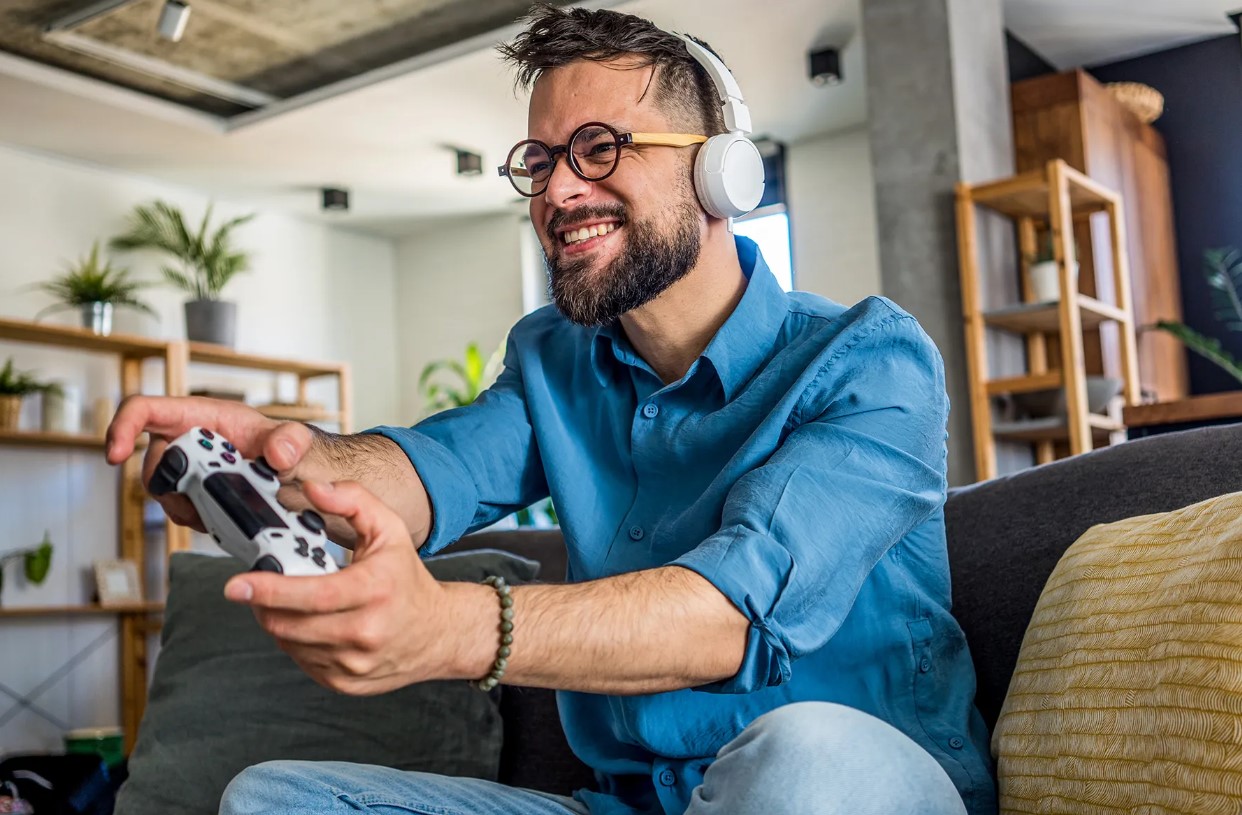
https://hoki123.net/ has evolved into one of the most popular forms of entertainment globally, with millions of people spending hours immersed in virtual worlds. While gaming can be a fun and engaging activity, for some, it can spiral into an addiction. Gaming addiction, also known as video game addiction or gaming disorder, is a growing concern that affects not only the individual but their relationships, work, and health. Recognizing the signs of gaming addiction early and finding appropriate help is crucial for maintaining a balanced lifestyle.
1. Understanding Gaming Addiction
Gaming addiction is characterized by excessive or compulsive gaming that interferes with daily life. It’s more than just enjoying a game for a few hours on weekends; it involves playing to the extent that it disrupts relationships, work, and overall mental and physical health. The World Health Organization (WHO) recognized gaming disorder as a mental health condition in 2018, bringing more attention to its potential impacts.
For many individuals, gaming becomes an escape from real-life stressors. The immersive nature of games, the excitement of competition, and the rewards of in-game achievements can make it hard to stop. However, when gaming starts to take precedence over everything else, including personal responsibilities, it can be a sign of addiction.
Why It Wins:
- Increases awareness of the importance of recognizing gaming addiction as a serious issue.
- Provides clarity about gaming addiction being a real mental health condition.
- Focuses on understanding the impact of gaming on various aspects of life.
2. Recognizing the Signs
Identifying gaming addiction can be tricky, especially since gaming is so deeply ingrained in modern culture. However, there are some clear signs that may indicate a problem. If you or someone you know exhibits these behaviors, it may be time to take a closer look at the relationship with gaming.
Increased Time Spent Gaming
The most obvious sign of gaming addiction is the excessive amount of time spent playing. When gaming takes up most of a person’s free time and they prioritize it over other activities or responsibilities, it can indicate a deeper issue. If gaming has become the primary focus of life, it’s time to assess how much time is being devoted to the activity.
Withdrawal Symptoms
Just like with any addiction, gamers may experience withdrawal symptoms when they’re not playing. These can include irritability, anxiety, frustration, and even depression. The desire to return to the game becomes overwhelming, making it difficult to focus on other important tasks in life.
Neglecting Responsibilities
A key indicator of gaming addiction is the neglect of work, school, and personal responsibilities. If gaming becomes a priority over obligations like chores, meetings, or social events, it can have a detrimental effect on one’s life. Gamers may also start to isolate themselves from friends and family as the virtual world becomes their only source of comfort.
Lying About Gaming Habits
People who are addicted to gaming may begin to lie about how much time they spend on it. They may downplay their gaming sessions, making excuses about why they can’t attend social gatherings or complete important tasks. This secrecy is often an attempt to conceal their growing dependence on the game.
Why It Wins:
- Helps recognize the major signs of gaming addiction.
- Encourages self-reflection and awareness for gamers and those around them.
- Provides early warning signs to prevent escalation of the problem.
3. The Impact on Mental and Physical Health
Gaming addiction can have serious consequences on mental and physical health. Spending long hours gaming often leads to a sedentary lifestyle, poor sleep patterns, and unhealthy eating habits. These can result in conditions such as obesity, eye strain, headaches, and carpal tunnel syndrome.
Mentally, the addiction can cause anxiety, depression, and social withdrawal. People who prioritize gaming over real-life interactions may begin to feel disconnected from their peers. The constant pressure to perform well in competitive games can also lead to stress and emotional burnout.
Why It Wins:
- Highlights the serious effects on both mental and physical health.
- Encourages healthier gaming habits for better overall well-being.
- Raises awareness about the importance of balancing gaming with self-care.
4. Finding Help for Gaming Addiction
Recognizing gaming addiction is the first step toward seeking help, but the next challenge is finding appropriate treatment. Fortunately, there are several effective ways to address the issue and regain control of your life.
Seek Professional Help
Therapists and counselors who specialize in addiction treatment can provide valuable support for individuals struggling with gaming addiction. Cognitive Behavioral Therapy (CBT) is a common approach used to address addictive behaviors by changing unhealthy thought patterns and replacing them with more productive actions. In some cases, therapy may also involve family members to address the impact of the addiction on relationships.
Join Support Groups
Support groups, both online and in-person, can offer a sense of community for those struggling with gaming addiction. Organizations like Game Quitters and online forums dedicated to gaming addiction provide a space where individuals can share their experiences, offer advice, and find support from others going through similar challenges.
Set Boundaries and Limits
For those who want to break free from gaming addiction, it’s essential to set clear boundaries. This could involve limiting gaming time to a set number of hours per day or scheduling “gaming-free” days where players can focus on other activities. Setting these limits and gradually reducing screen time can help individuals regain control of their habits and restore balance in their lives.
Engage in Other Activities
Filling the time previously spent gaming with other activities can be a helpful strategy. This could be anything from physical exercise, socializing with friends, pursuing hobbies, or exploring new interests. Diversifying your activities not only reduces the time spent gaming but also promotes overall well-being by engaging in a variety of enriching experiences.
Why It Wins:
- Provides practical steps for overcoming gaming addiction.
- Encourages seeking professional guidance for long-term recovery.
- Offers support systems to help individuals navigate the recovery process.
5. Preventing Gaming Addiction
Prevention is always better than cure, and it’s essential to adopt healthy gaming habits early on to avoid addiction. Parents, in particular, play a crucial role in setting boundaries for children and encouraging balanced screen time.
For individuals, being mindful of gaming habits is key. Setting limits, taking regular breaks, and making time for social activities outside of gaming can help maintain a healthy relationship with the hobby. It’s important to remember that gaming can be a fun and enriching experience, as long as it doesn’t consume your life.
Why It Wins:
- Encourages proactive measures to maintain a balanced lifestyle.
- Highlights the role of parents in preventing gaming addiction in children.
- Advocates for mindfulness and self-awareness in gaming habits.
Conclusion: Taking Control
Gaming addiction is a serious issue that affects millions of people worldwide. While it’s easy to get lost in the immersive worlds of online games, it’s crucial to recognize when gaming has become a problem. By identifying the signs early, seeking help, and taking proactive steps to manage gaming time, it’s possible to break free from addiction and regain a balanced life.
If you or someone you know is struggling with slot deposit 1k addiction, it’s important to take action. Therapy, support groups, and a commitment to healthy habits can help reclaim your time, improve relationships, and restore well-being. Remember, gaming is a form of entertainment meant to be enjoyed in moderation—when done right, it can be a rewarding and positive experience.