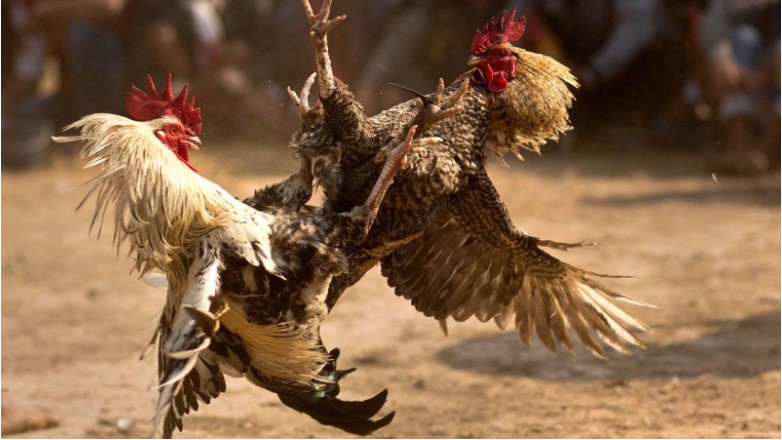
Cockfight, also known as the cock fight game, is one of the oldest blood sports in human history. It involves two roosters specially bred and trained for fighting. The birds are placed in an arena, and spectators watch as they compete until one bird dominates the other. While the practice has ancient roots and cultural significance in many parts of the world, it is also controversial due to animal welfare concerns. In modern times, the term “Cockfight game” has also been adapted into online gaming platforms, where it is simulated digitally as a form of entertainment and you may play this at RR88.
Historical Background of Cockfight
The cock fight game has a history that stretches back thousands of years. Records suggest that Cockfight was practiced in ancient Persia, India, China, and Greece. In Greece, it was even used as a way to inspire warriors by observing the bravery and endurance of the roosters. In South and Southeast Asia, Cockfight became deeply tied to cultural traditions and rituals.
Throughout history, Cockfight was more than just entertainment. It symbolized strength, pride, and masculinity. Local communities used it as a social activity, gathering in large numbers to watch the fights and wager bets on the outcomes. This made Cockfight not only a sport but also an economic and social event. Cockfighting, often referred to as cockfight, is one of the oldest forms of animal contest that has been practiced by different civilizations for thousands of years, carrying with it a complex mix of history, culture, entertainment, and controversy. The game involves two roosters that are specially bred and trained to fight against one another in an arena or pit while spectators gather to watch the contest and often place bets on the outcome. Historically, cockfighting has been traced back to ancient civilizations such as Persia, India, China, and Greece, where the sport was not only considered entertainment but also seen as a symbolic representation of bravery, strength, and masculinity.
Cultural Importance of Cockfight
In many regions, Cockfight has been considered a cultural heritage passed down through generations. For example:
- Philippines: Known locally as Sabong, Cockfight is a national pastime. Large arenas host professional fights, and the sport is closely tied to festivals and celebrations.
- Indonesia: Cockfight is often linked with rituals and ceremonies, particularly in Bali, where it is associated with religious practices.
- India and Nepal: In rural areas, Cockfight is part of traditional fairs and festivals, though it faces increasing restrictions.
- Latin America: Countries like Mexico and Peru also host Cockfight events, blending them into local culture.
Despite the cultural significance, the practice remains divisive, as modern perspectives on animal rights often clash with traditional customs.
Modern Adaptations: Online Cock Fighting Games
With the rise of digital gaming, Đá gà rr88 has also entered the online gaming world. These virtual Cockfight games allow players to raise, train, and battle roosters in simulated environments. Unlike real Cockfight, these games avoid animal cruelty while still providing the excitement of strategy, competition, and betting-like systems.
Overall, cockfighting remains a subject of global debate, standing at the crossroads of tradition, culture, ethics, and modern adaptation, representing both the endurance of ancient customs and the challenges of evolving human values in a world where animal welfare and ethical entertainment are increasingly prioritized. This adaptation has made Cockfight more accessible to younger audiences, though critics argue that it normalizes gambling behaviors.
Rules and Gameplay of Cock Fighting
The cock fighting game has its own set of rules, which may vary depending on the region. Below is a simplified version of how traditional cockfights are conducted:
- Selection of Roosters – Birds are bred and trained specifically for combat. Only healthy and strong roosters are chosen.
- Pre-fight Rituals – Roosters are weighed and sometimes fitted with blades or spurs to enhance the fight.
- The Arena – The fight takes place in a circular pit, with spectators surrounding the area.
- The Match – Roosters are released and encouraged to fight until one retreats, becomes incapacitated, or dies.
- Declaring a Winner – The rooster that continues to fight or dominates is declared the winner.
- Betting – Spectator’s place wagers on the outcome, making Cockfight not only a sport but also a form of gambling.
Table: Traditional Cockfight vs Modern Online Cockfight Games
| Aspect | Traditional Cockfight | Modern Online Cockfight Games |
| Nature of Play | Physical fight between real roosters | Digital simulation of cockfights |
| Animal Welfare | Controversial due to harm caused to birds | No animals harmed; purely virtual entertainment |
| Betting | High involvement of local gambling | Virtual betting or point-based gaming |
| Cultural Value | Deep cultural and ritual significance | Mainly for online fun and entertainment |
| Accessibility | Limited to arenas or villages | Accessible worldwide via internet and apps |
| Legal Status | Banned or restricted in many countries | Widely legal as digital gaming platforms |
Legal and Ethical Issues
Cockfight is illegal in many countries due to animal welfare laws. Nations such as the United States, United Kingdom, and most of Europe have banned it entirely. The main ethical concerns are:
- Animal Cruelty: The sport involves injury and death of roosters, raising serious welfare concerns.
- Gambling Addiction: Heavy betting is often tied to cockfights, leading to financial and social issues.
- Exploitation: Breeding and training roosters for fighting often involve harsh conditions.
Supporters of the tradition argue that Cockfight is a cultural practice that should be preserved, while opponents insist that modern society must evolve beyond blood sports.
Social and Economic Impact
Cockfight has significant economic importance in certain regions. For example, in the Philippines, Sabong generates revenue through:
- Ticket sales for live events.
- Breeding and selling fighting roosters.
- Betting markets, both regulated and underground.
In rural areas, Cockfight also fosters community bonding. However, critics argue that the economic benefits cannot outweigh the ethical costs.
The Future of Cockfight Games
The future of Cockfight lies mostly in the digital domain. With the growing popularity of online games, virtual Cockfight platforms are likely to expand further. These games provide a cruelty-free alternative, allowing cultural enthusiasts to keep traditions alive in a modern, ethical manner.
On the other hand, governments and activists continue to push for stronger enforcement of animal welfare laws. As awareness spreads, traditional Cockfight may face further decline worldwide, replaced by virtual adaptations.
Conclusion
The cock fighting game is a unique blend of history, culture, controversy, and modern adaptation. While traditional Cockfight has been part of human societies for centuries, its ethical and legal challenges make it increasingly controversial. The digital transformation into online Cockfight games provides a safer and cruelty-free alternative, keeping the excitement alive without harming animals. Whether viewed as a sport, cultural tradition, or digital entertainment, Cockfight remains one of the most fascinating and debated games in history. Its legacy continues to evolve, balancing between tradition and modern values.