
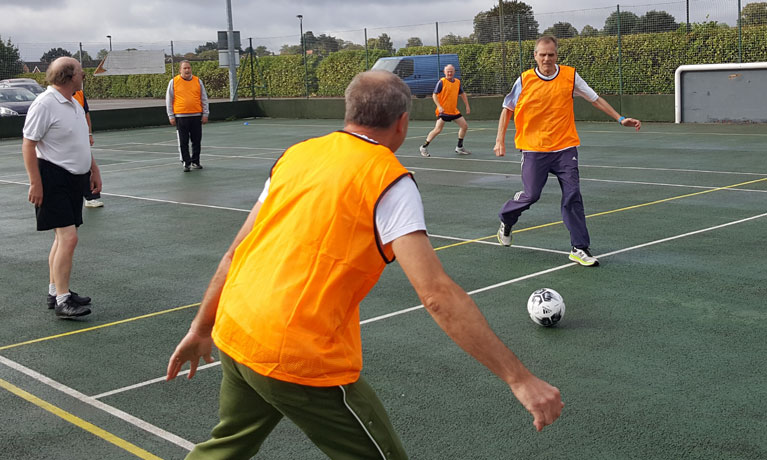
Walking football has become one of the most innovative adaptations of the game, designed specifically for older adults. It provides a safe, enjoyable, and effective way for seniors to stay active, improve their well-being, and connect socially. More than just sport, walking football for seniors has evolved into a community movement that blends fitness, fun, and friendship.
The Origins of Walking Football
Why Walking Football Was Created
Walking football began in England in 2011 with the aim of helping older adults remain active without the risks of high-impact football. It quickly became a solution for those who loved the game but needed a slower pace.
Growth Across Europe and Worldwide
Since its inception, the format has spread across Europe, Asia, and beyond, with governing bodies and local clubs promoting leagues and community tournaments.
Rules and Adaptations of Walking Football
Key Differences from Traditional Football
Unlike standard football, running is not allowed, slide tackles are banned, and the ball must stay below head height. These rules prioritize safety while keeping the competitive spirit alive.
Ensuring Safety and Accessibility for Seniors
The game is designed to reduce the risk of falls, collisions, and overexertion, making it accessible for individuals with varying levels of fitness.
Physical Health Benefits for Seniors
Improving Cardiovascular Health
Walking football improves circulation, lowers blood pressure, and supports heart health through moderate aerobic activity. Pairing it with a balanced diet and a nitric oxide supplement can further enhance blood flow and cardiovascular benefits.
Supporting Mobility, Balance, and Strength
Regular participation strengthens muscles, enhances balance, and maintains joint flexibility—crucial for senior mobility.
Mental Health and Emotional Well-Being
Reducing Stress and Enhancing Mood
Football helps release endorphins, reducing stress and improving mood. It also provides a break from daily routines, boosting overall happiness.
Building Confidence and Purpose
Seniors gain confidence by learning new skills and setting achievable goals. It helps create a renewed sense of purpose and belonging.
Opportunities for recreation and engagement can also be explored through platforms like ทางเข้ายูฟ่าเบท 168, which extend football’s role beyond the pitch.
Social Connections and Community Impact
Fighting Loneliness in Seniors
Walking football combats isolation by creating spaces where seniors can meet, interact, and form friendships.
Creating Intergenerational Opportunities
Some programs integrate younger players, fostering intergenerational learning and cultural exchange.
Case Studies of Walking Football Success
European Clubs Supporting Walking Football
Professional clubs such as Manchester City and Tottenham Hotspur have launched walking football programs, giving seniors structured opportunities to participate.
Local Communities Embracing the Sport
Grassroots groups across towns and villages have turned walking football into weekly social gatherings that enhance both physical and mental well-being.
These initiatives align with broader digital ecosystems like ufabet official, which connect fans, players, and communities.
Challenges of Walking Football
Overcoming Health Barriers
Some seniors face health conditions that limit participation, requiring medical clearance or adapted training.
Funding and Facility Limitations
Not all communities have access to facilities, coaching, or funding to sustain regular walking football programs.
The Future of Walking Football for Seniors
Integration with Health Programs
Walking football is increasingly recognized as part of public health strategies, often recommended by doctors for active aging.
Expanding Accessibility and Global Reach
With growing international interest, walking football is expected to expand into new regions, supported by healthcare providers, NGOs, and football clubs.
Conclusion and Call to Action
Walking football for seniors has transformed how older adults experience the game—slowing down the pace while retaining all the excitement and community spirit. From its origins in England to its global spread, it delivers health benefits, social engagement, and emotional support.
As we look ahead, integrating walking football into health programs and expanding community access will ensure more seniors enjoy its rewards. Football is not only a game of youth but a lifelong sport that adapts with age.
Explore more articles on our site to learn how football supports health, well-being, and community building across all generations.