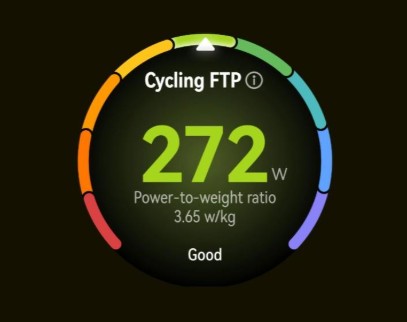
Smartwatches have dozens of features, but not all of them are essential for every user. Many purchasers are dazzled by marketing hype and wind up with features they rarely use. The key to a good wristwatch experience is to determine which functions are most relevant to your objectives and lifestyle. Whether you’re interested in fitness, productivity, or outdoor use, knowing which items are most important will help you make an informed purchase. This article delves into important and sophisticated smartwatch features, discusses who gains the most from them, and demonstrates how to choose a model that matches your daily schedule while saving money on extras.
What Core Features Do Most Users Actually Need?
Fitness & Health Tracking Essentials
Basic health tracking remains the primary reason people use smartwatches. Step counting, heart rate monitoring, and sleep tracking offer daily wellness insights without overwhelming data. These tools assist users in monitoring their overall fitness levels, developing healthier habits, and tracking their improvement over time. Built-in activity rings and objectives encourage movement and remind users to be active. Most users do not require medical-grade measures; dependable essentials are more useful for long-term stability. The essential set also includes sedentary alarms, water reminders, and simple workout monitoring, such as walking or cycling sessions. These technologies operate silently in the background while providing strong assistance for better living.
Notifications & Daily Productivity Tools
Smartwatches are great at delivering bite-sized information rapidly. Call, text, and app alerts are essential tools that keep you connected without having to continually check your phone. Calendar notifications, reminders, timers, and alarms increase productivity for both professional and personal duties. Voice assistants provide hands-free operations on the fly. When typing is inconvenient, users prefer rapid response choices for SMS and emails. Smartwatches that accept contactless payments make errands quicker and safer. These everyday gadgets provide minor efficiencies that save time throughout the day. Rather than being distracted by your phone, your watch keeps important information close—without generating overload.
Battery Life & Charging Convenience
Long battery life isn’t a luxury; it’s required for consistent performance. Many users become upset when they must charge their devices on a regular basis, especially if they track their sleep or exercise. Most consumers choose a smartwatch with a battery life of at least two full days. Quick charging is also important; being able to charge in less than an hour makes a significant impact in real-world use. Some models include low-power modes that help you get the most out of your battery while you’re not charging. Charging with magnetic or wireless technology is also more convenient. If charging feels like a bother, you’ll wear your watch less. The amount of value you get from your smartwatch is directly proportional to its battery performance.
Which Advanced Features Offer Real Value Today?
GPS, Connectivity & Offline Functions
The built-in GPS enables reliable tracking without the need for a phone nearby—ideal for runners, bikers, and walkers. LTE or cellular versions allow you to make calls, listen to music, and access directions even if you lose your phone. When it comes to mobility, these connection aspects are very important. Offline music playing is a significant advantage, particularly during exercises or travel. Some models additionally allow for offline map or podcast downloads, which is beneficial when coverage is restricted. Wi-Fi syncing and Bluetooth control allow for smooth device changes. While not required for casual users, these features provide active users with additional control. Advanced connection is more than just technology; it’s about the ability to leave your phone behind while remaining connected.
Safety Features Like Fall Detection & SOS
Smartwatches with integrated safety features provide peace of mind. Fall detection employs motion sensors to detect forceful impacts and notifies emergency contacts or services if you do not reply. This is especially useful for elderly persons, outdoor enthusiasts, and people with medical concerns. SOS features can communicate your current position and an alert message with a single button click. Some watches have emergency calling, guided breathing exercises, and heart rhythm notifications, which can detect problems early. These technologies are useful for more than simply accidents; they also provide a sense of security in new surroundings. Whether you’re jogging solo or hiking off-the-grid, safety features provide real-world protection that can save lives.
How Do You Choose the Right Smartwatch for Your Lifestyle?
For Fitness-Focused Users
Fitness enthusiasts want a wristwatch that can correctly track different activities. Look for devices with built-in GPS, heart rate sensors, and training modes ranging from HIIT to swimming. Waterproofing and shock resistance are essential for intensive workouts. Reliable sleep tracking and recovery measures assist users in understanding rest patterns and adjusting their training. Whether you’re following a training schedule for 10k run or preparing for a marathon, auto-detection for workouts adds convenience, and VO2 max or recovery scores offer advanced insights. The battery should endure through extended training sessions, and easy charging is a plus. Syncing with major fitness applications guarantees that your data reaches its intended destination. A fitness-focused wristwatch serves as your digital coach, measuring performance, promoting relaxation, and assisting you in training more effectively with each session.
For Professionals & Everyday Wear
Professionals gain the most from smartwatches that combine functionality with modest elegance. Clean design, high-quality materials, and a clear, always-on display look well in both formal and informal situations. Calendar syncing, email previews, and rapid reply support are among the key features. Contactless payments and voice assistants simplify daily tasks. The watch’s long battery life and rapid charging mean it can keep up with hectic schedules. Quiet vibration notifications for calls or reminders minimize disturbances during working hours. Customizable watch faces allow customers to swap between professional and personal styles. Smooth communication with other devices, such as laptops or wireless earphones, boosts productivity. The ideal smartwatch for everyday use accommodates a hectic lifestyle without seeming too athletic or heavy.
For Outdoor & Adventure Users
Outdoor enthusiasts want tough, dependable timepieces designed to withstand harsh circumstances. Choose a device with built-in GPS, offline maps, and navigation aids such as a compass and altimeter. Look for military-grade ruggedness, water resistance, and long-lasting battery life—even with GPS turned on. When you’re off the grid, solar-assisted charging might help you last longer. Safety features such as SOS warnings and fall detection are essential for distant travel. Barometric pressure sensors aid in weather forecasting, while temperature monitoring provides another layer of readiness. Offline audio storage and illumination features are useful for lengthy excursions or evening activities. These timepieces are designed for activity, providing explorers with the tools they need to explore safely, navigate confidently, and stay connected when phones are out of reach.
Conclusion
Smartwatches may accomplish a lot, but you don’t need every function. Concentrate on what suits your lifestyle. Basic users require health tracking, alerts, and an adequate battery life. Fitness fans benefit from GPS and exercise insights, but outdoor enthusiasts want durability and navigation. When utilized for its intended purpose, advanced technologies such as SOS alerts, app support, and cross-device synchronization provide significant value. Choosing the ideal smartwatch requires balancing functionality, comfort, and dependability. Don’t let specifications detract from usability. A well-chosen wristwatch should integrate with your daily routine, improve your habits, and keep you connected—whether you’re training, working, or exploring new territory.