
Heart rate tracking plays a central role in helping cyclists understand how their bodies respond to effort, terrain, and training load. Whether you ride for fitness, endurance, or speed, your heart rate reveals the level of strain your system experiences during every climb, sprint, or steady ride. Without it, cyclists often rely on feel alone, which can lead to overexertion or undertraining. A smartwatch changes this by providing real-time data that shows how hard your body is working at each moment of the ride. The HUAWEI WATCH GT 6 demonstrates how advanced wrist-based tracking can support smoother pacing, better endurance development, and safer long-distance rides. With consistent heart-rate monitoring, cyclists build smarter, more structured habits that translate into lasting improvements. And for anyone committed to improving their bike cycling exercise, understanding heart rate becomes a crucial foundation.
How Heart Rate Tracking Shapes Smarter Cycling Performance?
Heart-Rate Zones Help Cyclists Control Pace More Effectively
Cyclists often misjudge effort, especially on rolling terrain where intensity fluctuates quickly. Heart-rate zones provide a simple, visual guide to manage pacing. A smartwatch measures your heart rate continuously and assigns your effort to specific zones, from low aerobic training to high anaerobic bursts. When you see your heart rate climbing too early, you can slow down before fatigue sets in. This keeps long rides manageable and helps you maintain steady performance across hills and flats. The HUAWEI WATCH GT 6 shows live heart-rate data on a bright, easy-to-read AMOLED display, making it simple to adjust your pace without breaking rhythm. Over time, following heart-rate zones improves cardiovascular efficiency and allows cyclists to ride longer without feeling overwhelmed.
Real-Time Feedback Shows How Your Body Reacts to Terrain Changes
Terrain affects your heart rate in ways speed cannot reveal. A slight incline may cause a spike even if your velocity drops. Heart-rate tracking helps you identify these shifts immediately. When your watch displays sudden increases, it signals that your body is working harder, even before you consciously feel the strain. This is especially important on long climbs or during interval sessions. The HUAWEI WATCH GT 6 offers enhanced GNSS accuracy that pairs with heart-rate data to show where intensity peaks occur along your route. By analysing these patterns, you learn how different gradients impact your physiology. This helps refine pacing strategies so you avoid burning out early or pushing too hard on steep sections.
Tracking Intensity Prevents Overtraining and Supports Recovery
Cycling improvements happen when training stress is balanced by proper recovery. Heart-rate tracking plays a vital role in monitoring both intensity and fatigue. A consistently elevated heart rate during easy rides can be an early sign of overtraining or lack of rest. With a smartwatch, you see these signs immediately and adjust your training load accordingly. The HUAWEI WATCH GT 6 strengthens this insight with features such as heart-rate variability (HRV), stress monitoring, and sleep analysis, all of which support long-term performance. When the watch detects signs of strain, you can prioritise rest or switch to low-intensity sessions to protect your progress. This balance helps cyclists maintain sustainable training routines that build endurance rather than drain it.
How Smartwatches Turn Heart Rate Data Into Better Cycling Decisions?
Training Insights Show Long-Term Progress and Weaknesses
Heart-rate tracking becomes truly valuable when analysed over weeks and months. Smartwatches collect this data automatically and translate it into trends that show whether your fitness is rising, plateauing, or declining. For endurance cyclists, seeing lower heart rates at the same speed signals improved aerobic performance. For interval training, quicker heart-rate recovery indicates strong adaptation. The HUAWEI WATCH GT 6 summarises these trends in clear performance charts, helping riders understand how consistent their training is. This long-term view encourages smarter decisions: increasing ride volume when recovery is strong, fine-tuning efforts during challenging weeks, or reshaping training plans when progress stalls.
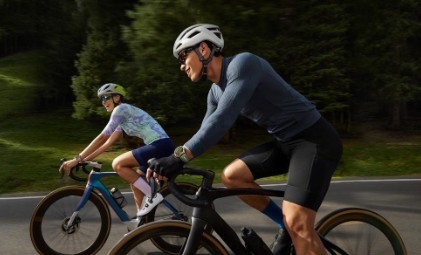
Heart-Rate Guidance Creates Structured Workouts for Endurance and Power
Cycling workouts become more effective when guided by heart-rate zones. Instead of guessing intensity, you ride with purpose: long steady rides in the aerobic zone, threshold sessions to improve speed, or high-intensity intervals for power. A smartwatch helps you follow each zone with precision. The HUAWEI WATCH GT 6 pairs heart-rate data with cycling-specific metrics such as speed, grade, and power estimation, giving you a complete real-time overview of how your body responds. As you ride, the watch shows whether you need to ease back or push harder to stay in the targeted zone. This structured approach produces faster gains in endurance and helps cyclists avoid wasted sessions where effort doesn’t match the training goal.
Safety Monitoring Provides Confidence During Long Solo Rides
Heart-rate tracking is also a safety tool. Sudden spikes or unusual drops can signal dehydration, exhaustion, heat stress, or other issues that require immediate attention. Smartwatches alert you when your heart rate enters unusually high ranges, helping you react quickly. The HUAWEI WATCH GT 6 goes further with features such as Fall Detection and SOS calling, making it a reliable companion for solo riders tackling remote or long-distance routes. By combining heart-rate awareness with safety alerts, cyclists maintain peace of mind during challenging rides or unpredictable weather conditions. This helps you focus on your route while staying aware of your body’s limits and needs.
Conclusion
Heart rate tracking is crucial for cyclists because it reveals the true level of effort behind every ride, supports smarter pacing, and protects against overtraining. With real-time feedback, riders adjust intensity more effectively, manage climbs with greater confidence, and understand how terrain influences energy output. Long-term analysis helps cyclists refine their training plans and measure progress with clarity. A smartwatch like the HUAWEI WATCH GT 6 enhances this experience through accurate wrist-based tracking, recovery insights, and cycling-specific features that integrate seamlessly into daily rides. When cyclists rely on clear heart-rate data, every session becomes safer, more intentional, and more productive. This transforms how you train, how far you ride, and how well your endurance develops over time.