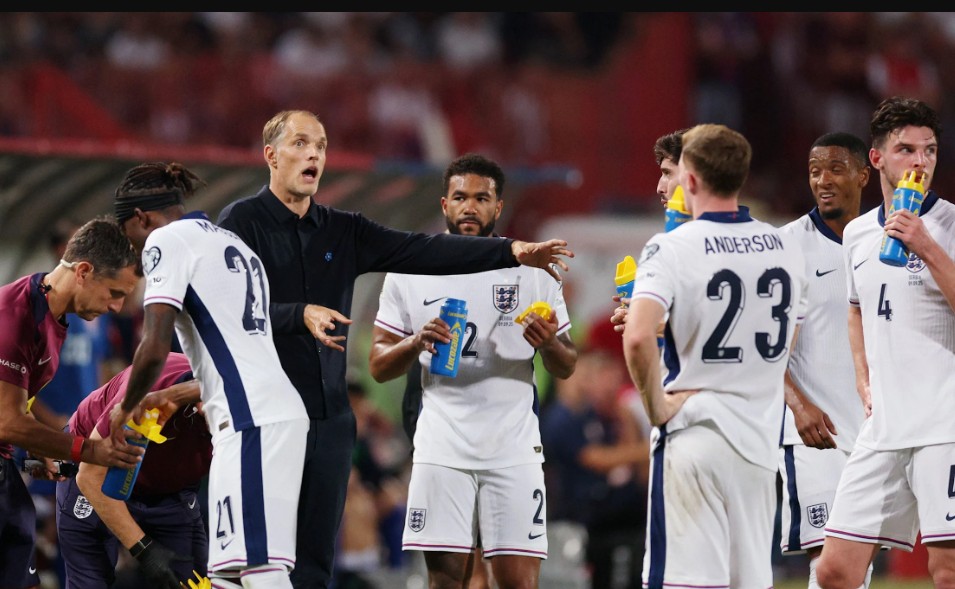
For families that rarely sit at the same table, a World Cup match can become the one appointment everyone silently agrees to keep. When they gather for ninety minutes around the same screen, the match does more than fill background noise; it creates a shared timeline of passes, presses, and momentum swings that all generations read in their own way.
Why Shared Kickoff Times Create a New Family Rhythm
Fixed kickoff times act like anchors in a household where schedules usually clash. Instead of negotiating vague “dinners someday,” everyone knows when the game starts, and that certainty makes attendance easier than absence. The match becomes a social clock: warm-ups signal people to arrive, half-time becomes the only moment everyone leaves the room at once, and the final whistle tells them when the evening ends.
On the pitch, this shared rhythm changes how the family experiences key events. Early goals become icebreakers that pull quieter members into the conversation; long periods of midfield struggle turn into background for small talk; late drama forces everyone to focus on the same sequence of passes and runs. Over a tournament, these repeated cycles create a familiar structure that makes watching together feel natural, even if eating together still feels rare.
How Different Generations Read the Same Match
When parents, children, and sometimes grandparents watch the same World Cup game, they rarely focus on identical details. Older family members might anchor their attention on defensive solidity and work-rate, while younger ones follow star forwards, dribbling, and pressing intensity. This layered viewing creates multiple “versions” of the same match operating in parallel.
Those perspectives intersect whenever a key moment happens. A last-ditch tackle sparks debate about positioning; a missed chance triggers questions about shot selection and whether the team is creating high-quality chances or relying on low-percentage efforts. As these conversations repeat match after match, each generation subtly picks up the other’s priorities—some adults start watching pressing triggers, some kids begin noticing line compactness—and the family’s shared understanding of football deepens.
When Live Viewing Turns the Living Room Into a Mini Tactics Room
In families that rarely eat together, the World Cup can shift the living-room dynamic from parallel screen time to collective observation. Instead of everyone facing separate devices, their attention converges on one game state: what shape the team is defending in, how often they break lines, and whether substitutions change the flow. Even casual remarks—“We’re too deep,” “Why doesn’t the winger stay wider?”—push the whole group to think in structural terms.
Across ninety minutes, these comments evolve into a basic tactical dialogue. One person notices the full-back’s positioning, another points out how often the striker drops to link play, and someone else tracks how the opposition builds through their number six. That running commentary transforms the match from pure entertainment into a live, shared analysis session, even if nobody would call it that out loud.
How Watching Matches Live Reveals Roles Within the Family
When everyone sits down to ดูบอลสด together, the way they talk during the match often mirrors their roles off the pitch. One person naturally explains rules and offside lines, another calms everyone during tense VAR checks, while someone else rides every emotional swing and amplifies the room’s energy. These roles show up in how they interpret tactical moments as well—who spots changes in pressing, who tracks substitutions, who notices fatigue.
Because the match unfolds in real time, there is no pause button to tidy emotions or rewrite reactions. Missed chances, defensive lapses, and sudden counters force instant responses, and the family learns how each member handles stress, surprise, and frustration. Over multiple games, this real-time interaction makes their football language more efficient—short phrases, shared reference points, and inside jokes that help them read both the game and each other more quickly.
Key Match Phases That Pull the Whole Family In
Certain phases of a World Cup game are especially powerful at drawing every person in the room into the same viewing frame, regardless of how invested they were at kickoff.
- The first five minutes, when everyone checks if the team looks nervous or confident, noticing early pressing intensity and line height.
- The period immediately after a goal, when eyes turn to how the team responds—do they push for another or retreat into a deeper block.
- The final ten minutes of a tight match, where every clearance, sprint, and substitution feels decisive and even casual viewers lean forward.
- Set-piece situations, where the camera zooms into the box and the family collectively holds its breath watching runs, blocks, and marking.
- Extra time or penalties, which compress fatigue, decision-making, and psychology into a series of moments everyone understands are defining.
Each of these phases reinforces the sense that something important is happening that cannot be delayed or rescheduled. For families unused to moving in sync, that shared urgency becomes a rare, valuable experience: everyone reacting to the same sequence of touches and decisions at the same time.
How Rare Shared Viewing Nights Change What People Remember
In homes where shared meals are uncommon, World Cup nights become the reference points family members use to remember both football and each other. Instead of recalling a season’s worth of league matches, they remember “the game we all watched together” and the patterns that defined it: the relentless press in one match, the deep block in another, or the way a particular playmaker controlled tempo.
Those memories are built not just from goals but from repeated tactical images—an aggressive high line that almost got punished, a counter-attacking setup that produced chance after chance, or a possession structure that kept the ball but never penetrated. When future tournaments come around, people compare new teams and systems back to those shared matches, using them as templates to read what they see now.
When Football Becomes the Easiest Topic to Talk About
For families who find it hard to sit down and talk about their own lives, ดูบอลไลฟ์สด โกลแดดดี้ can act as a low-friction topic that still demands opinions, explanations, and predictions. Debating whether the coach should switch shape or bring on a different forward is less emotionally risky than discussing work, school, or personal problems, but it still reveals how each person reasons and argues.
As they revisit similar themes across different matches—slow starts, lack of width, shaky defending at set-pieces—the family also practices disagreeing within a safe frame. Over time, that practice can soften the silence that often surrounds more serious issues, because they are already used to challenging and listening to each other in the context of the game.
Summary
When a family that rarely eats together gathers for World Cup matches, the game provides more than ninety minutes of distraction; it offers a structured, live event that everyone can watch, interpret, and remember together. Different generations bring different lenses—individual brilliance, defensive solidity, pressing patterns—but the shared screen turns those viewpoints into a collective way of reading the match. As they track line shapes, momentum swings, and late drama across a tournament, they build not only a common football language, but also a set of shared experiences that may be easier to hold onto than any ordinary dinner.